Dry eye treatments for pets: prices and presentations
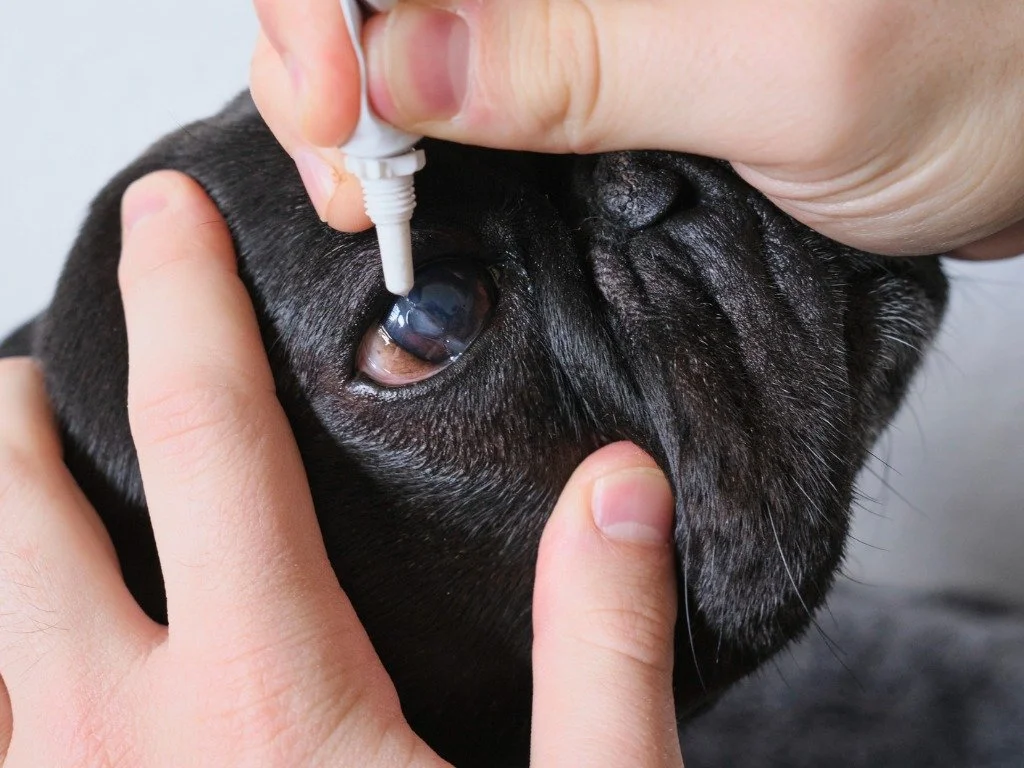
Artificial tears and eye lubricants are widely used in veterinary practice. There’s a vast range of products available, some marketed for veterinary use, many others for use in humans. However, understanding exactly what these products are (and aren’t) can help avoid confusion in practice, and even reduce the cost to your client.
Do all eye lubricants require a prescription?
A common misconception is that all eye lubrication products are medicines. In fact, most are medical devices. This means:
Most artificial tear/eye lubricant products can be supplied without a veterinary prescription.
Online Suppliers may describe products as ‘medicinal’ causing increased cost implications to the client who may pay unnecessary prescription and dispensing fees.
Veterinary-Only non-medicinal products aren’t necessarily required when human products could be an effective alternative (subject to intended use)
There are some authorised human medicines in this category, but these need a prescription when used in animals.
What is the right product to choose?
There is a huge variety of tear replacement and eye lubrication products. They differ in their ingredients, viscosity, preservative content, and in-use life once opened. With limited published evidence on which products are most clinically effective, choosing the right one can be difficult.
Knowing what’s in each product and how they compare helps ensure they’re used appropriately, whether for general lubrication during anaesthesia, or in managing dry eye conditions.
This informative review includes a comprehensive comparison table of commonly used veterinary and human products, making it easy to see differences in composition, licensing status, and more. All in one place.
Cost matters
Products marketed for veterinary use are often twice as expensive as equivalent human products. If a product is a medical device and doesn’t need a prescription, then charging clients for a prescription or dispensing fee is unnecessary. For instance, we found that the online price of preservative-free sodium hyaluronate drops marketed for animals was £16 to £25 compared with £8 to £14 for those marketed for humans.
Understanding which products require a prescription and which don’t, can help avoid extra charges and keep treatment options more affordable for clients.
What’s in the review? What’s in it for you?
Veterinary Prescriber’s NEW #CompareBeforeDeciding article offers a practical guide to tear replacement and eye lubrication products. We help to clarify:
The legal status of different products
When a prescription is required
How to choose between products
How to reduce unnecessary client costs
As one vet nurse commented on LinkedIn:
“I have just read this and found it really useful. As a nurse I do not make prescribing choices but when using lubricants during surgery or discussing compliance issues with owners this provided a great insight into what's in these products and how to help select the best one for the purpose.”
Explore the full article now
Get clear, independent guidance on tear replacement and eye lubrication products, what they are, how to choose them and how to use them effectively.
Access the full article on Veterinary Prescriber