
Rational use of parasiticides
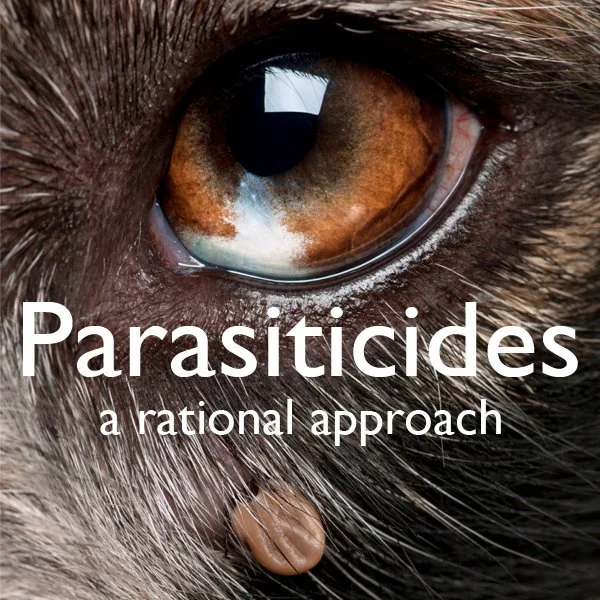
When we give a cat or dog a parasiticide tablet or apply a spot-on or collar there is a high degree of certainty that the parasites will be killed. Job done. But that’s not the end of the story. The drugs in parasiticide products don’t just disappear after doing their work. Those that stay on the animal’s skin will eventually be washed or rubbed off and those that are absorbed into the body will exit unchanged or as metabolites in the urine or faeces. Wherever they end up they are likely to continue to be effective insecticides and wormers. Right now, we know very little about where the drugs end up and the harm they might be causing to biota, or whether one parasiticide is less harmful than another. But the potential for serious harm to the environment means that a blanket, year-round preventative approach for all cannot be justified. Instead parasiticides should only be prescribed on the basis of a risk assessment of the individual animal. Pharmaceutical industry promotion of parasiticides is ubiquitous; the BVA/BSAVA/BVZS recommends that vets have access to an independent source of information to help with treatment decisions. As an MWI DA member you already have access to independent information on veterinary medicines in Veterinary Prescriber.
What you can do:
Prescribe parasiticides on the basis of the animal’s risk. Not all cats and dogs need year-round flea and tick cover. Many cats and dogs need roundworming only every 3 months, not every month. Many dogs do not need tapeworm cover.
Use the narrowest spectrum drug that will do the job.
Don’t double up by using more than one combination drug that has similar ingredients. As well as adding more parasiticide to the environment, this will also increase the risk of adverse effects
How Veterinary Prescriber can help
A downloadable risk assessment questionnaire, to help identify what parasite cover a pet needs.
The unique searchable Parasiticide Guide. Use it to find a treatment for an individual animal or to develop your practice parasiticide policy, to identify narrower spectrum drugs when they are appropriate, or just to help make sense of the huge range of prescription- and non-prescription products.
The library of CPD modules. There are modules on various aspects of parasite management in cats and dogs, to help with understanding parasite disease risk, treatment and prevention of common and exotic parasite diseases, and to help make sense of the complex range of products.
Future developments
There is a lot more we need to know about managing parasites sustainably. We’ll be publishing new information and resources as more evidence becomes available.